



Using camel and tree residues to operate cement factories for the first time locally
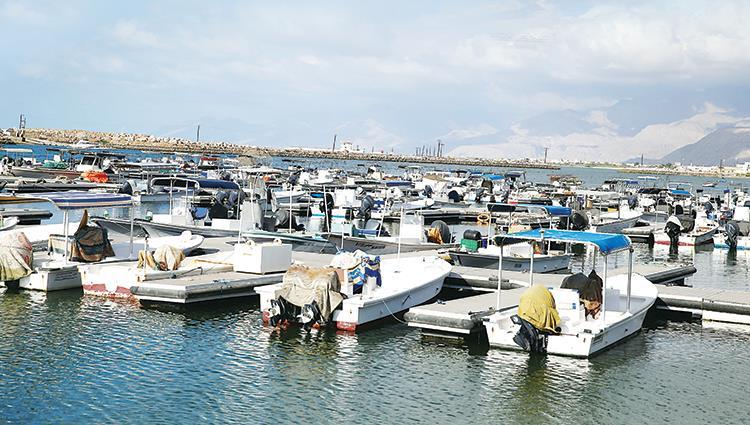
EPDA revealed the success of the cement factories in the emirate in using camel waste, trees and some solid waste and converting it to energy used in the operation of factories, what contributed to the decline in the dumping of such waste in landfills rates, which reduced the waste in the landfills. This comes in a step within the national strategy to conserve natural resources and raise recycling rates. EPDA also closed a tire recycling plant for violating environmental laws related to increasing emissions.There are great efforts being made at the country level to optimize the industrial sector, as it is a vital and important sector of the national economy in parallel with the application of the concept of sustainability on life. Also, to reduce energy use and the depletion of natural resources.EPDA has closed a tire recycling plant due to increased harmful emissions and air pollution, and allowed the entire plant to be changed as part of strict measures to maintain a clean and pollutant-free environment. Moreover, the inspection procedures also tightened all operating establishments to comply with the environmental laws governing the work.EPDA unveiled a new step to unify the specifications related to the products of cement factories operating in Ras Al Khaimah. In addition to the standardization of environmental conditions, emissions control and methods of using alternative energy in the production process. The introduction of tree and camel waste into the industry, which is being carried out for the first time in the region, has been a major success for its significant contribution to reducing landfill operations in the Emirate, to take advantage of the power needed to run factories. This technique is to be used for the first time locally.There are other experiments under study to expand their use in the future include the utilization of furnace heat and conversion of energy to reduce the use of electricity in the operation of energy-intensive cement plants. As well as other study, which is related to the use of cooking oil residues in the industry.Prevent the use of slurry in the recycling of oilsThe use of slurry in oil recycling has been banned in the factories operating in the Emirate. This is because of the danger of using this technique in refining oils and the slurry from the recycling process contains amounts of toxic oxides, which are often disposed of by being dumped landfills, which represents a hazard to the environment as a result of these oxides running out of the surrounding soil. These factories are currently under periodic inspections. EPDA will use remote mentoring in the coming period, besides the regular mentoring inspections for their factories to ensure the efficient operations of these factories from an environmental point of view.Water ConservationWith regard to the use of groundwater in factories, Al Ghais stressed that water conservation is a strategic goal that the country is working to achieve, as water is an important natural resource for a country that has no natural resource other than rain to feed the underground stock. In order to conserve this important resource, EPDA has succeeded in reducing the use of groundwater by factories. So far, 60% of groundwater use has been discontinued in the industrial plants of Al Ghail, after the completion of the extension of these factories desalination water required to operate these factories.There are Future plans include supplying desalinated water to other factories In order to completely stop the use of groundwater in these factories. There are also other steps to preserve groundwater in non-industrial sectors relate to stopping the drilling of groundwater wells in all areas of the Emirate, in addition to the legalization and control of existing ground wells, which are being used in farms and other facilities. When it comes to fishing sector, Al Ghais revealed a study by the Ministry of Climate Change and Environment to measure the impact of the period of banning Sheri and Safi fish, which started early this month and will continue until the first of next May. This study will include many points related to the ban period and its impact on the size and quantity of fish and others. EPDA has started to tighten inspection procedures on all fishing ports, markets and fish shops to ensure the implementation of the Ministry’s decisions, which enacted to maintain fish stocks.The ban on the import of these fish comes during the ban period to prevent any excesses by fishermen during the fishing period. In addition to achieving the required benefit of fishermen from catching the remaining species allowed for fishing during this period, which is no less important than Sheri and Safi. As customers prefer to buy fresh local fish over imported in general.Fishing sector gets a great government support because of its great importance. As being one of the heritage professions for local men. Ras Al Khaimah has 1206 fishermen and 8 fishing ports which have been fully modernized under the directives of His Highness Sheikh Mohammed bin Zayed Al Nahyan, Crown Prince of Abu Dhabi and Deputy Supreme Commander of the UAE Armed Forces. It now includes all the equipment required for the fishing sector. The last period witnessed the completion of the fencing of seven of the eight ports in the Emirate. In addition to the opening of the ice factory in Ras Al Khaimah port, which saved fishermen and traders about 40% of the price of snowboards that were brought from factories far from the port. That there are attempts to provide ice in all ports of the Emirate during the coming period to achieve the required benefit for all fishermen in all ports. EPDA also completed the landing platform near the fish market, which now accommodates six boats together during the landing process. Preventing excesses of Picnic FishingAbout picnic fishing permits, there are deterrent procedure that will be taken during the coming period to prevent the excesses of some of the owners of these licenses, represented in commercial fishing, and tries to compete with licensed fishermen in violation of the law, and to mention that a small group of licenses holders exploit them in an abusive manner. EPDA will take appropriate procedure to deter violators, which may include revocation of such licenses.Ghaf and DimasThere are plans to expand the planting of Ghaf trees in the Emirate of Ras Al Khaimah during the coming period, in cooperation with a specialized company, in parallel with the elimination of damas trees harmful to the environment. About 6,000 trees were disposed, as they are harmful to the environment as use water intensively. In addition to their harmful effects on the walls of houses and water and sanitation systems, where their roots crawl behind the water and penetrate these systems. There is cooperation with the residents to remove this tree and cut it to avoid mention damages.
